A screening is not an exam
The vision check at school, the DMV or the pediatrician’s office usually tests one thing: how well you read letters from across the room. That catches some nearsightedness. It does not look at the health of the eye, at how you see up close, or at how your two eyes work together, and it is often run by someone without eye-care training using very little equipment.
That is how a child can pass the school screening and still struggle to read, and how an adult can read the bottom line of the chart with an eye disease already under way. Passing a screening tells you that you can see the chart. It does not tell you your eyes are healthy.
What a comprehensive exam covers
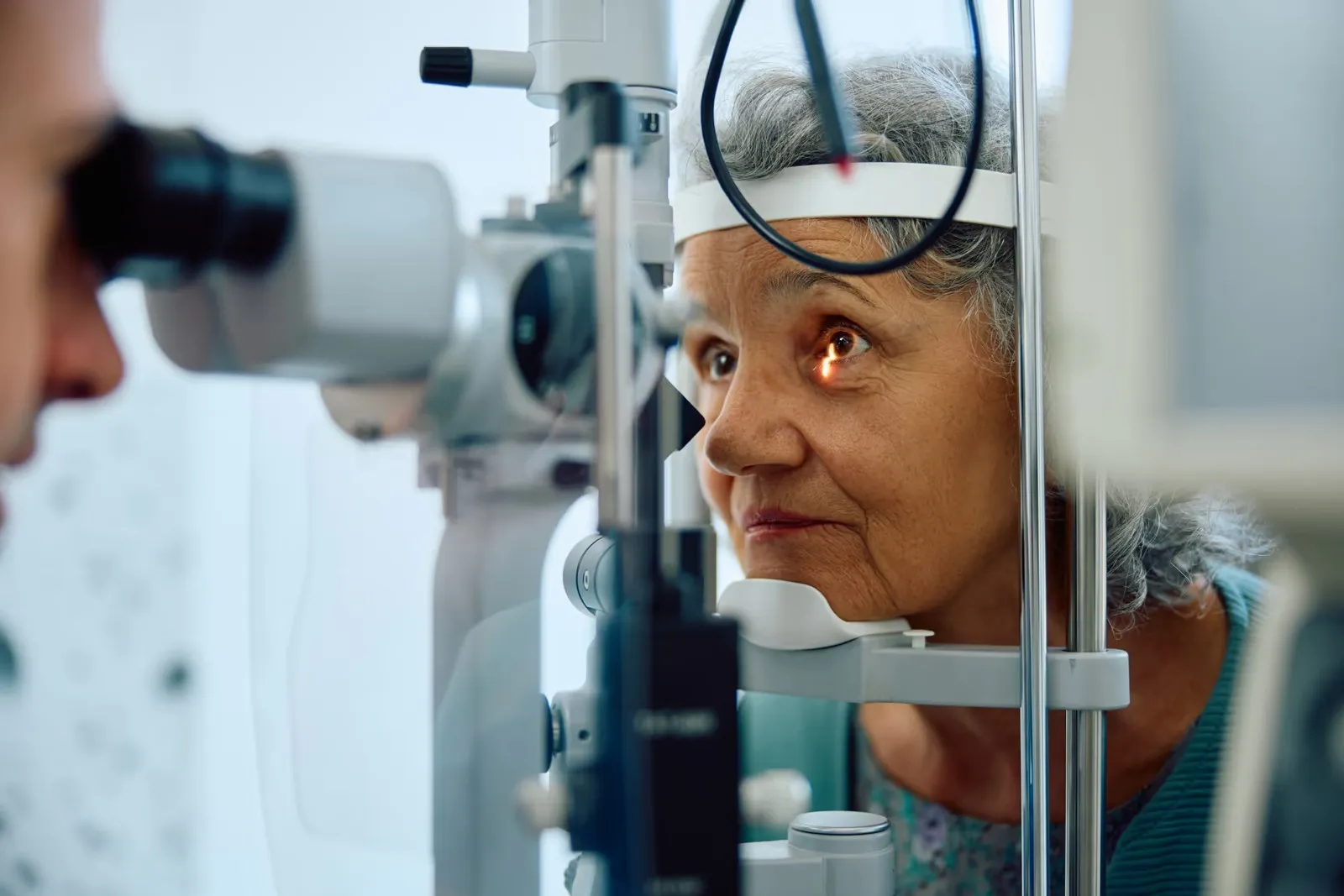
A comprehensive exam assesses all aspects of your eyesight and looks for problems early, while they are easier to treat.
- Your prescription for glasses or contact lenses, at distance and up close
- How your eyes focus and work together
- The health of the eye itself, front to back
- Your general health, because conditions like diabetes and high blood pressure can affect the eyes
You leave knowing what your eyes need now and what to watch for.
How often to come in
We see children starting at age 3.
Ages 3 to 18: every year
Ages 18 to 60: every one to two years
Age 61 and over: every year, or as recommended
Dr. Patel may suggest a different schedule based on what he finds.
Book your exam
If your last full exam was more than two years ago, or you cannot remember when it was, it is time to come in.